 BACK TO ALL REFERENCES
Mosswool: Renewable and compostable sphagnum moss to replace stone wool
Stone wools are currently dominating the cultivation of salad and vegetable crops. The Mosswool® innovation by Novarbo Oy is a feasible, environmentally friendly alternative to stone wool.
€2.4 m
in funding
Key numbers
Feasible, environmentally friendly alternative to stone wool
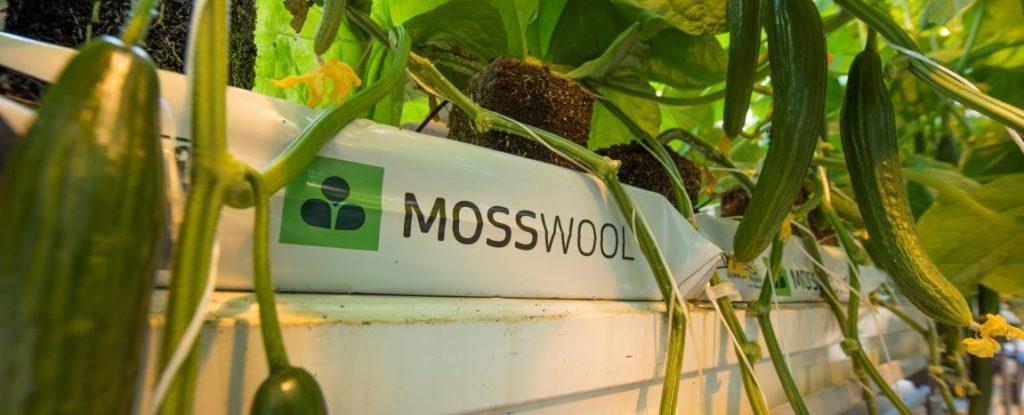
Stone wools are currently dominating the hydroponic slab market, especially cultivation of salad and vegetable crops. Stone wool is made of non-renewable rock and can only be downcycled after use. The Mosswool® innovation by Novarbo Oy utilizes renewable and compostable sphagnum moss in hydroponic growing media used in Greenhouses. The biggest benefits of Mosswool® are rapidly renewable raw material and compostability after use on site with normal crop residues, which also lowers total costs for the greenhouse farmers.
How we reached the goals
The project aimed to scalie up production from pilot to demonstration plant scale and upscale customer evaluations at larger commercial greenhouse, developing an investment plan for industrial scale production factory and optimising Mosswool® slabs economically and ecologically to achieve full biodegradability.
Spinverse took on the challenge in providing support in project preparation, including help in defining the scope, matching the call and assisting in the funding proposal writing. After a positive decision from EU Commission, Spinverse supported Novarbo in the project negotiation phase and project reporting
Key takeaways
With Spinverse on their side, Novarbo was able to secure a €2.4 million grant from Horizon 2020 SME instrument phase 2. This funding enables full implementation of the goals and creating a feasible, environmentally friendly alternative to stone wool.
Photo credit: Pete-Jukka Rinteelä
About the project
The LIFE Lit4Nature aims to establish a stronger, evidence-based system for biodiversity conservation and restoration across Lithuania. Major focus will be placed on strengthening the national biodiversity monitoring system, improving data collection and integration and on introducing innovative monitoring approaches to support evidence-based conservation and restoration decisions.
Impact of the project:
The project aims to boost stronger biodiversity and ecosystem recovery across Lithuania through nationwide conservation and restoration. Further, it wants to achieve better national coordination for efficient and well targeted conservation measures and their funding.
Funding instrument LIFE Programme

Spinverse’s role
Spinverse experts supported the coordinator throughout the two-stage LIFE Strategic Nature Project application process from concept note development to submitting the final proposal.
The support included workshops that brought together the proposal team to sharpen the project concept and focus the application on the most relevant and critical aspects of Lithuania's
Prioritised Action Framework for Natura 2000 and the forthcoming National Restoration Plan.
Spinverse’s strategic guidance, hands-on support and thorough quality reviews helped us focus on the critical aspects, strengthen the proposal logic and present its impacts convincingly. Their LIFE expertise gave our team confidence and contributed significantly to the proposal’s high quality and successful funding outcome.”
Supporting the UN Sustainable Development Goals
We share what we learn
Read our latest news on our references
